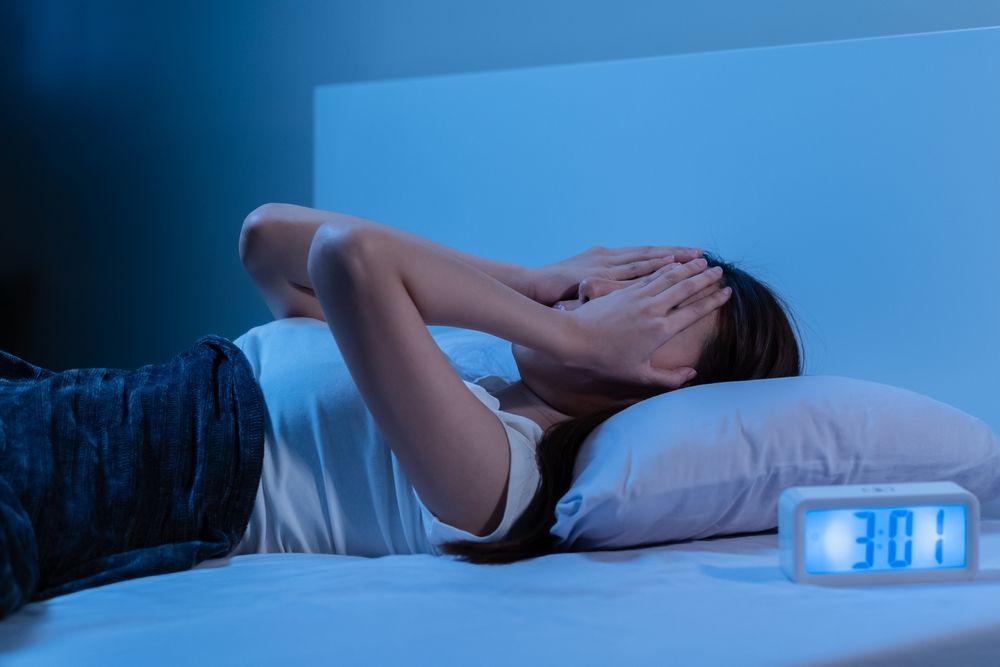
Alternative Treatments & Healthy Sleep
Sleep Hygiene - the foundation of good sleep
Sleep hygiene means creating the best possible conditions for sleep. These aren’t just suggestions – they’re proven strategies that can dramatically improve your sleep quality.
Create the Right Environment
- Cool (15-20°C is ideal)
- Dark (consider blackout curtains or eye mask)
- Quiet (earplugs or white noise if needed)
- Comfortable (good mattress and pillows)
- Well-ventilated (open windows for 10 minutes before bed)
Establish a Bedtime Routine
- Go to bed and wake up at the same time every day (yes, even weekends)
- Start winding down 30-60 minutes before bed
- Use your bedroom only for sleep and intimacy
- If you can't fall asleep within 20-30 minutes, get up and do something relaxing until you feel sleepy
Screen Time & Light
- Avoid screens for at least 30 minutes before bed
- Use dim lighting in the evening
- Consider blue light blocking glasses if you must use devices
- Get bright light exposure in the morning
What You Consume Matters
- Herbal teas (chamomile, lemon balm, valerian)
- Light snacks with tryptophan (turkey, milk, bananas)
- Staying hydrated during the day (but not too much before bed)
Avoid before bedtime:
- Caffeine after 2 PM
- Large meals within 3 hours of bedtime
- Alcohol (may help you fall asleep but disrupts sleep quality)
- Excessive fluids
Manage Stress & Anxiety
- Practice relaxation techniques (deep breathing, meditation)
- Keep a journal to "download" worries before bed
- Try progressive muscle relaxation
- Consider mindfulness or yoga
Pre-Sleep Rituals That Work
- Warm bath or shower (your body temperature drops afterward, promoting sleepiness)
- Reading (but not on a device)
- Gentle stretching or yoga
- Listening to calm music or nature sounds
- Aromatherapy with lavender or chamomile
Beyond CPAP - Other Ways to Improve Your Sleep
Lifestyle Changes That Make a Real Difference
Weight Management
The good news: Even a 10% weight loss can lead to noticeable improvements in sleep quality and reduce the severity of sleep apnoea.
Exercise & Overall Health
Regular exercise doesn’t just help with weight management – it directly improves sleep quality. People who exercise regularly fall asleep faster and enjoy deeper sleep. What works best:
- At least 30 minutes of moderate exercise most days
- Avoid vigorous exercise within an hour of bedtime
- Include both cardio and strength training
- Even light activities like walking can help
Diet & Nutrition
What you eat and drink affects how well you sleep. Foods that help with sleep:
- Lean proteins (chicken, fish, eggs)
- Complex carbohydrates (whole grains, vegetables)
- Foods rich in magnesium (nuts, leafy greens)
- Dairy products (contain natural sleep promoting compounds)
What to avoid, especially before bed:
- Heavy, fatty meals
- Excessive alcohol and smoking can worsen sleep apnoea: Smoking increases inflammation and fluid retention in the upper airway. Alcohol relaxes throat muscles, making blockages more likely. Both interfere with normal sleep patterns
- Caffeine after 2 PM
- Large amounts of liquid (to reduce nighttime bathroom trips)
When to Seek Professional Help
You should consider professional help if:
- Your sleep problems persist despite good sleep hygiene
- Insomnia is affecting your daily life
- You're using sleep medications regularly
- You have symptoms of other sleep disorders
What we can do:
- Rule out physical causes with a sleep study
- Identify specific sleep patterns that might be contributing
- Refer you to sleep psychologists who specialise in behavioural treatments
- Coordinate with your GP for comprehensive care
The Path to Better Sleep
Remember, good sleep isn’t a luxury – it’s essential for your physical health, mental wellbeing and quality of life. Whether your sleep problems are caused by sleep apnoea, insomnia or other factors, effective treatments are available.
Your next steps:
- Talk to your GP about your sleep concerns
- Consider whether a sleep study might be helpful
- Start implementing good sleep hygiene practices
- Be patient - sleep improvements often take time
We’re here to help you find the right solution for your specific situation. Don’t let another night of poor sleep affect your health and happiness.
Positional Therapy - Sometimes the Solution is Simple
Many people have much milder sleep apnoea when sleeping on their side compared to their back. Our sleep studies can show if this applies to you.
How it Works
When you sleep on your back, gravity pulls your tongue and soft tissues backward, making airway blockage more likely. Side sleeping keeps your airway more open.
Positional Therapy Options
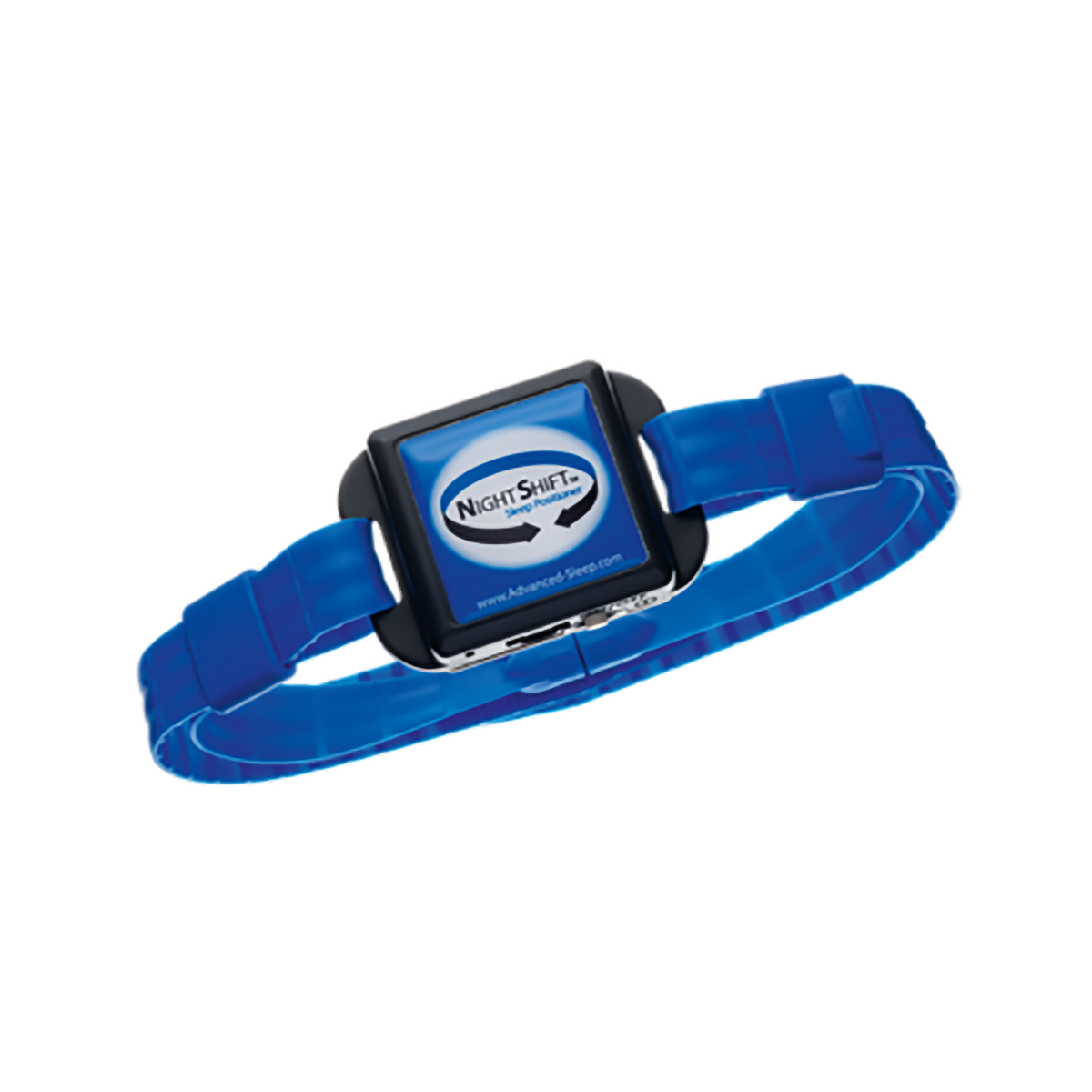
- Commercial devices that gently remind you to stay on your side
- Simple home solutions like a tennis ball sewn into the back of your pyjama top
- Positional pillows designed to encourage side sleeping
- Adjustable beds that can be slightly elevated
The great thing about positional therapy: If it works for you, it's a simple, natural solution with no ongoing costs or equipment.
Oral Appliances - a CPAP Alternative
What are Oral Appliances?
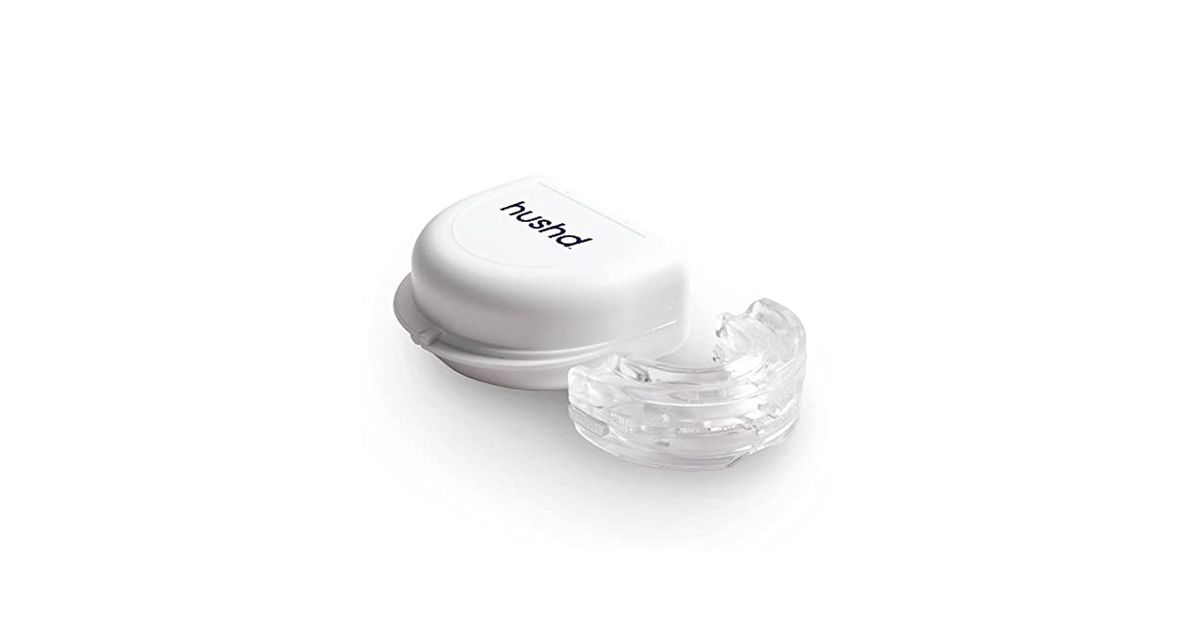
Think of them as specialised mouthguards that hold your lower jaw slightly forward while you sleep. This creates more space behind your tongue and helps keep your airway open.
Who are they good for?
- People with mild to moderate sleep apnoea
- Those who travel frequently
- People who can't tolerate CPAP
What to expect:
- Custom made by a dentist from impressions of your teeth
- Takes some time to get used to
- Less effective than CPAP for severe sleep apnoea
- May cause some jaw discomfort initially
Important: While cheaper online versions exist, custom made devices from a qualified dentist are much more effective and comfortable.
Other Treatment Options
Bi-Level (BiPAP) Machines
These work similarly to CPAP but deliver different pressures for breathing in and out. These are specialised devices that need to be prescribed by a sleep physician and usually only recommended for people with complex health issues.
EPAP (Expiratory Positive Airway Pressure)
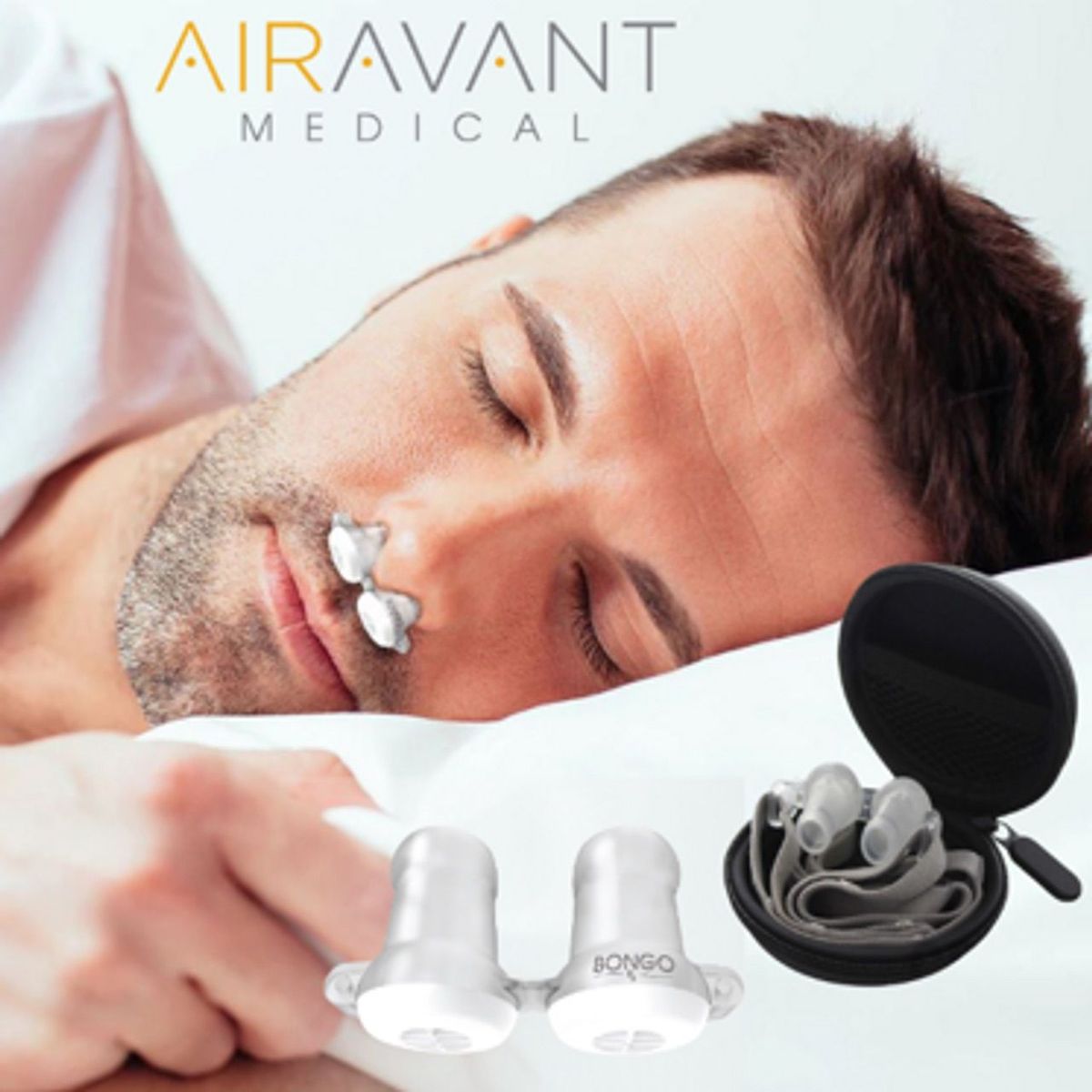
Small nasal devices that use valves to create pressure when you breathe out. They're less cumbersome than CPAP but not suitable for everyone.
Surgical Options
Surgery is usually considered when other treatments haven't worked. Options include:
- Removing enlarged tonsils or adenoids
- Correcting structural abnormalities
- Procedures to stiffen soft tissues
- In severe cases, more extensive reconstructive surgery
Insomnia Treatment - Getting Back to Natural Sleep
Insomnia is persistent difficulty falling asleep, staying asleep or waking up too early. It affects your daytime functioning and can be extremely frustrating.
What’s Important to Know: About 25% of insomnia cases are actually caused by physical problems like sleep apnoea or restless legs. That’s why we sometimes recommend a sleep study even for insomnia to rule out underlying physical causes.
Types of Insomnia:
- Short term - Usually triggered by stress, life changes or illness
- Chronic - Lasting more than three months, often requiring behavioural changes