
At Home Sleep Testing
- Choose from two devices
- Full diagnostic sleep monitoring
- Simple to use with accurate results
Could You Have Sleep Apnoea? Here's How to Tell
If you're reading this, chances are your sleep isn't what it should be. Maybe your partner has been nudging you about loud snoring or you're waking up tired no matter how long you sleep. You're not alone - and the good news is, we can help.
You might benefit from a sleep study if you experience:
- Snoring that keeps your partner awake (or even the neighbours!) Feeling tired all the time, even after a full night's sleep
- Nodding off while driving or during daily activities
- Tossing and turning throughout the night
- Getting up multiple times to use the bathroom
- Waking up with headaches or a dry, scratchy throat
- Taking medication for high blood pressure or depression
- Having a thick neck (over 42cm for men, 38cm for women)
- Being overweight (though about 1 in 10 people with sleep apnoea are actually quite slim)
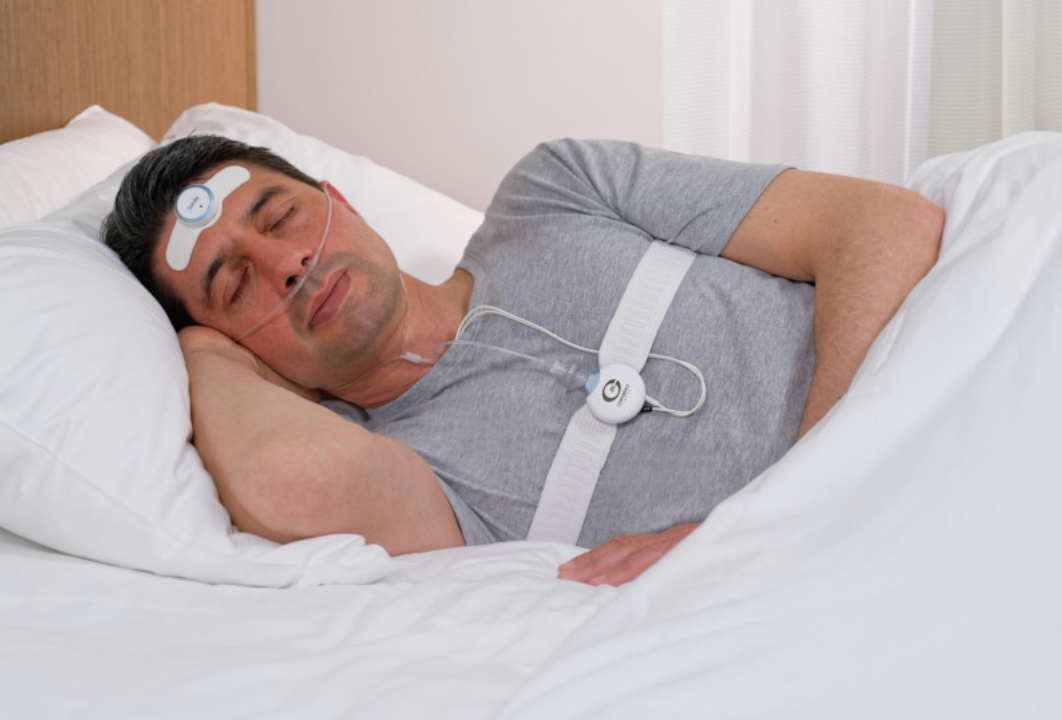
What is a Home Sleep Study?
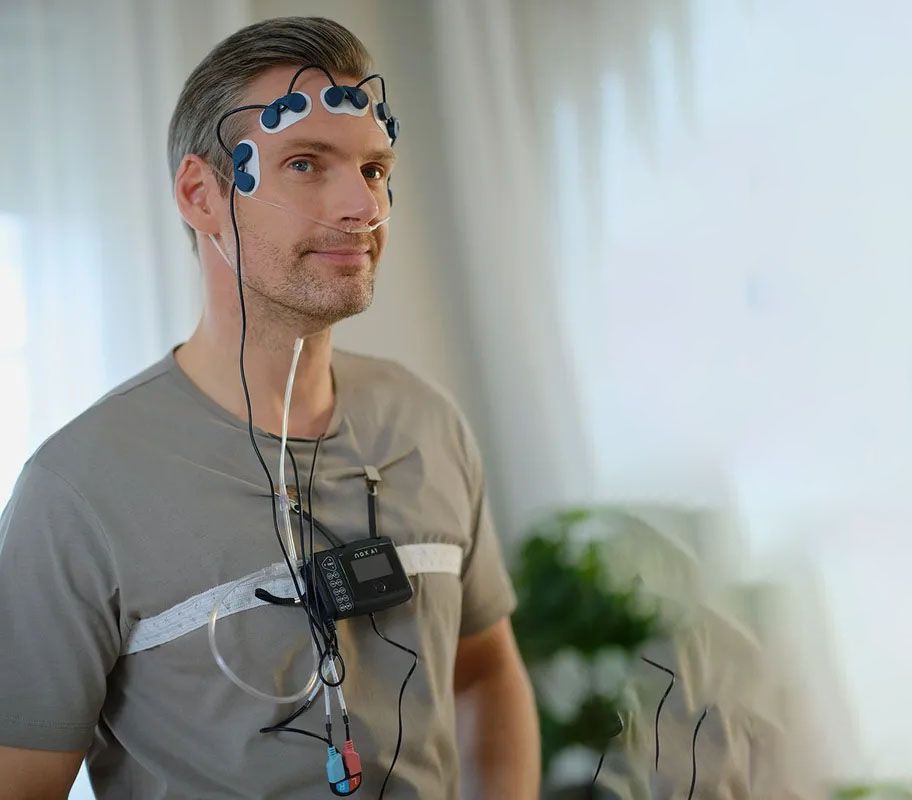
Forget everything you think you know about sleep studies. You won't be sleeping in a strange hospital room with wires everywhere. Instead, you'll be sleeping comfortably in your own bed, in your own home.
Here's what makes our approach different:
Our sleep studies happen right in your bedroom, where you actually sleep every night. This means we get a true picture of your sleep patterns - not what happens when you're trying to sleep somewhere unfamiliar.
The equipment is surprisingly simple:
Think of a device about the size of your mobile phone that quietly monitors your breathing, heart rate and oxygen levels while you sleep. You'll barely notice it’s there.
Why home beats hospital every time:
- You sleep in your own comfortable bed
- No hospital fees or overnight stays
- You can get up and move around if needed
- Use your own bathroom whenever you want
- Roll over and sleep in your normal positions
- Get your results back within a week
All our studies are reviewed by experienced sleep specialists right here in Australia - no overseas processing or long delays.
Home Sleep Study Video
How to Arrange Your Sleep Study
Step 1: Get a referral from your GP: Once we receive your referral, we’ll contact you to discuss the best way to do your study.
Step 2: Choose what works for you: We offer three convenient options:
- Come to our clinic - We'll set up the equipment in the late afternoon and you'll head straight home to sleep
- Take it home yourself - Collect the equipment from our Taree, Forster or Gloucester clinics. We include a video and written instructions that make setup easy
- Home visit - Our technicians can come to your home to set everything up for you (additional fee applies based on location)
Step 3: Get your results fast: We’re committed to getting you answers quickly. Your results will be sent to your doctor within 4-7 days and we’ll call you personally when they’re ready.
The Cost: The actual sleep study is covered by Medicare. There’s a $150 administration fee that covers your initial consultation, the follow up consultation, equipment setup and all the consumables used.
Ready to Get Better Sleep? If you recognise yourself in any of these symptoms, don’t wait. Sleep apnoea doesn’t get better on its own, but it’s very treatable once we know what we’re dealing with. Your first step is talking to your GP about a referral. We’re here to make the rest as easy as possible.
How to Arrange Your Sleep Study
The most important thing we measure is how often your sleep gets disrupted. Most people don't realise they’re waking up multiple times during the night because these interruptions are so brief.
Here's what the numbers mean:
- Normal: Waking up to 5 times per hour is completely normal.
- Mild Concern: 5-15 times per hour suggests some sleep disruption.
- Needs Attention: More than 15 times per hour definitely indicates a problem that can affect your health.
We also check how many times you stop breathing (this is the "apnoea" part) and whether your legs are moving around during sleep. About 1 in 4 people with insomnia actually have a physical problem like sleep apnoea or restless legs that's causing their sleep troubles.
For patients requiring treatment for sleep apnoea, we provide CPAP therapy, including equipment supply, education, and continuous follow-up support to ensure correct usage and lasting results.
Did you know? 95% of people grind or clench their teeth at some point. If your dentist has noticed worn or cracked teeth, our study can detect nighttime teeth grinding too.
Frequently Asked Questions
What actually happens during the study?
Sensors record your sleep patterns, breathing and movement while you sleep normally in your own bed.
How much sleep do I need for accurate results?
Medicare requires 8 hours of recording, but you don’t need to be asleep the whole time. 4-5 hours of actual sleep is usually enough to get the information we need.
Can my partner sleep in the same bed?
Absolutely! Your partner won't affect the results. If you’ll sleep better with them there, we actually recommend it.
What should I avoid before the study?
Just avoid anything you wouldn't normally take that might affect your sleep - like extra alcohol or sleeping pills that could make sleep apnoea appear worse than it really is.
How quickly can I get a study done?
Usually within a week, but we can arrange it within days if it’s urgent. If you're falling asleep while driving, we can often start CPAP treatment immediately for obvious cases.
Do I need a doctor's referral?
For a full diagnostic study, yes. But we can do a screening test without a referral if you just want to check things out first.